Archive

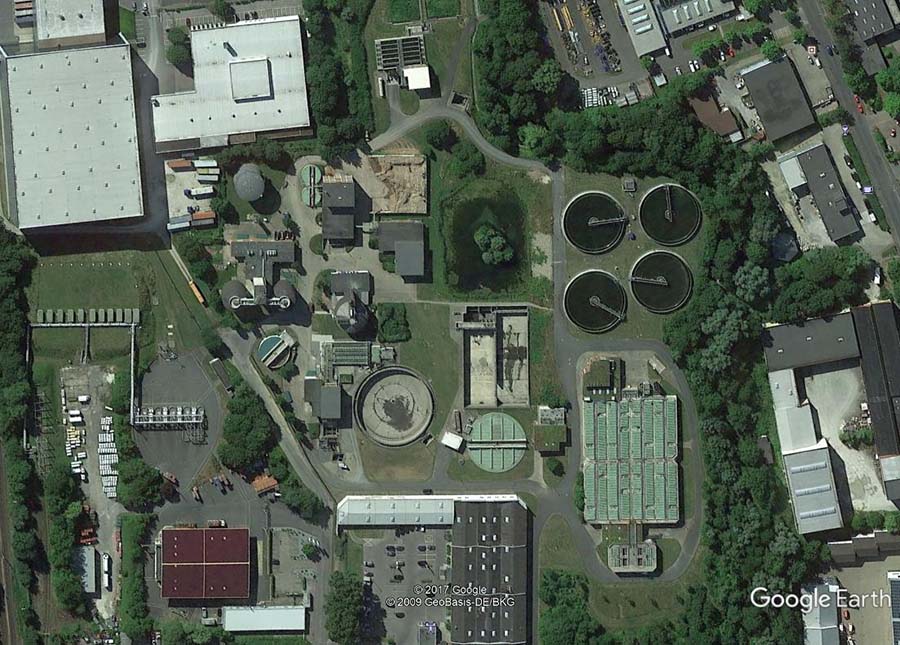
The WWTP of Detmold with a wastewater flowrate of 20,000 – 25,000 m3/d came in touch with Alphabio aiming to reduce the excess sludge that was produced in the plant. After the implementation of bioaugmentation in the plant, a significant reduction of the excess sludge...

In December 2015, Alphabio started applying the bio-augmentation technology in the municipal wastewater treatment plant of Corfu, because the municipality was searching for a way to minimize the surplus sludge produced due to the relevant high cost of disposal. Before the application, the plant was...

In January 2014, Alphabio and Patras Water Supply and Sewerage Company started cooperating for the reduction of the sludge produced in the municipal WWTP. The municipality was searching for a way to minimize the sludge produced in the facilities due to the high cost of...

The implementation of the bioaugmentation technology in the municipal WWTP of Heraklion commenced in August of 2015. Heraklion WWTP receives wastewater from the Municipality of Heraklion, the fourth most populated city of Greece and biggest city of the island of Crete (ap. 180,000 habitants), resulting...

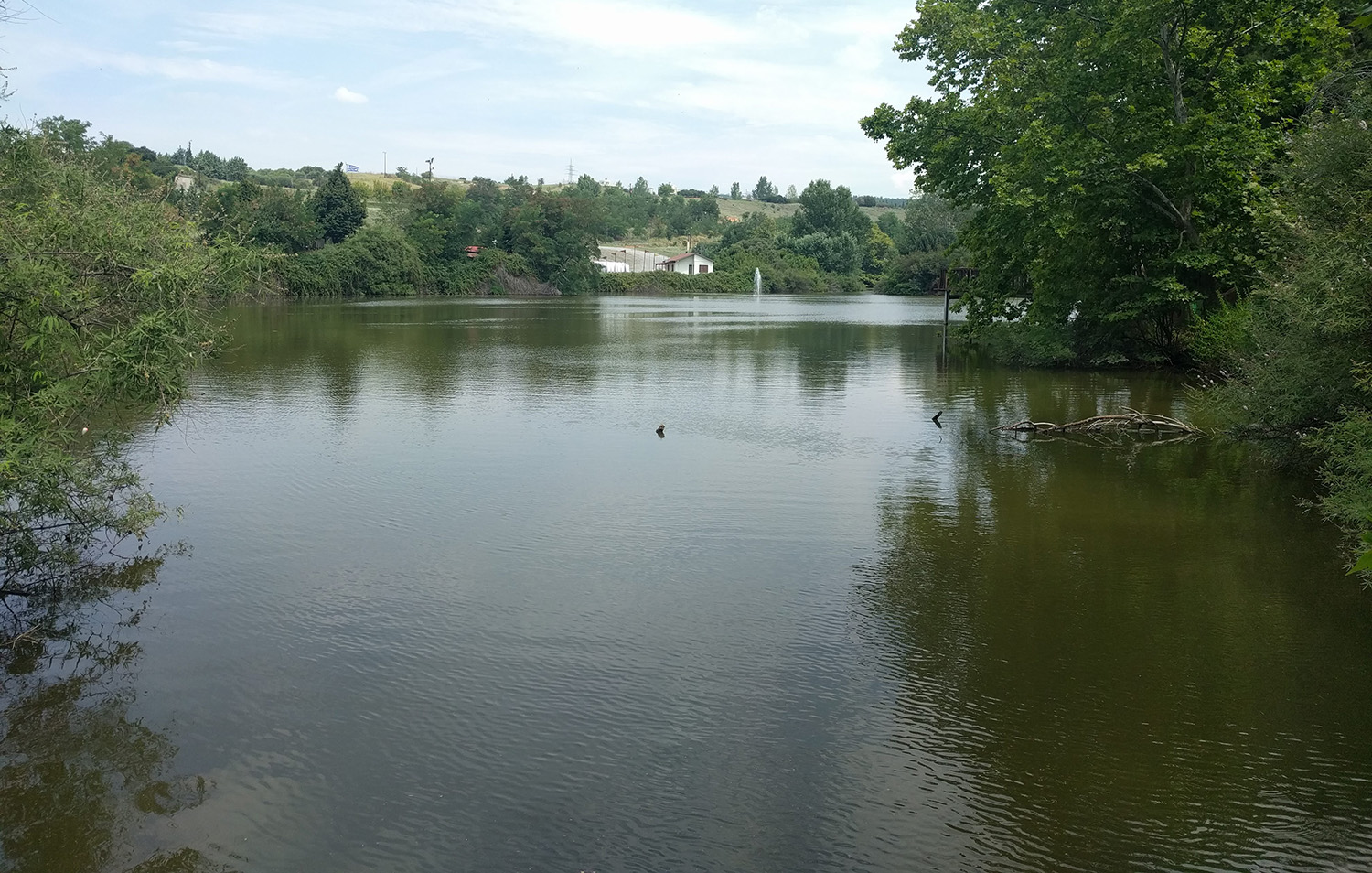
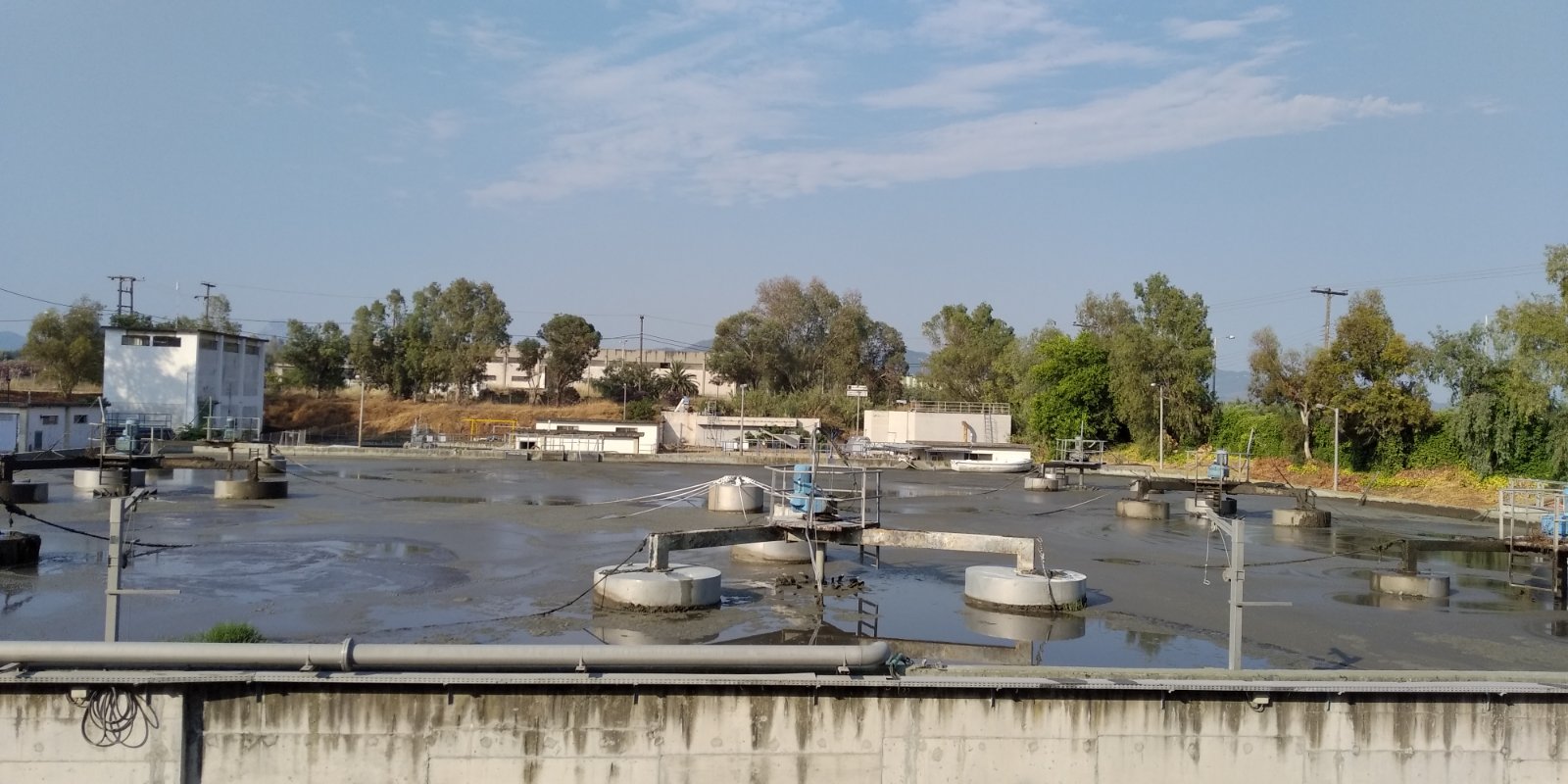
In March 2018, the remediation of the Lagoon in Thermi was initiated for the second consecutive year. Alphabio applied the bioaugmentation method with the controlled dosing of BIO-M product, while auditing lagoon’s remediation progress. The main targets of the application were the reduction of pollution...

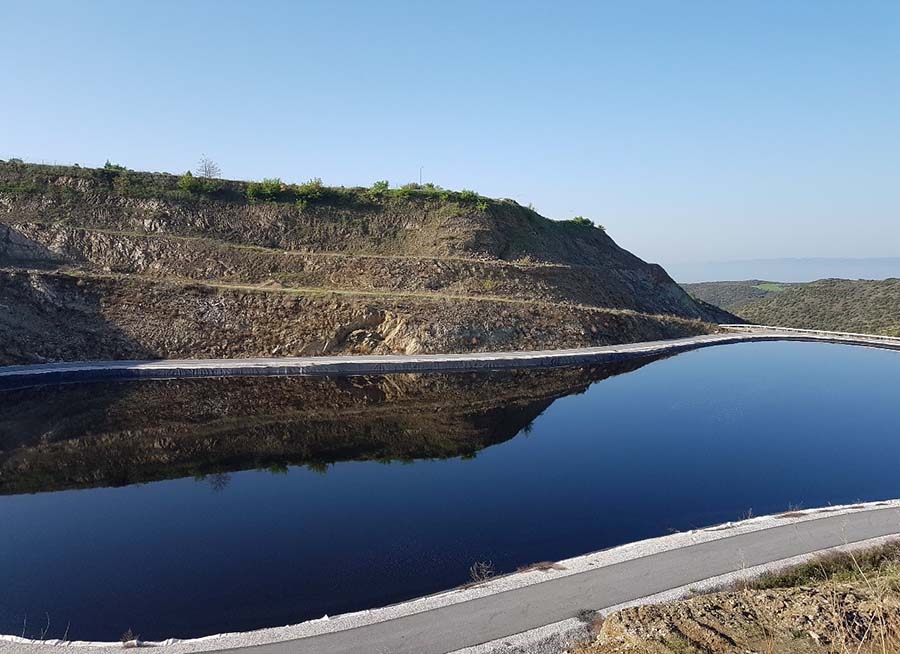
In the beginning of 2015, a new landfill cell in Mavrorachi landfill site went into operation, receiving waste from Thessaloniki region (population of 1,300,000) and resulting in a daily production of 200 m3 leachate, characterized by high organic load and increased salinity. Treatment of the...

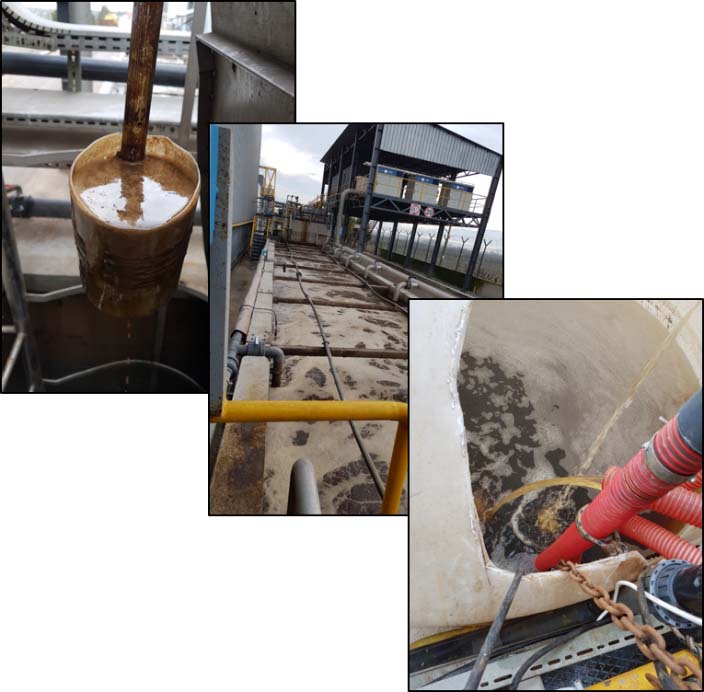
In the challenging case of BIOSUN in Pamukova, Turkey, a wastewater treatment plant, which is treating digestate from an anaerobic plant for biogas production, asked for the implementation of bioaugmentation in order to comply with the municipal sewer network quality standards. The plant had an...

The industrial WWTP of Patras, which is receiving wastewater from local industries has an average influent flowrate of 3,500 – 4,000 m3/d. The plant was producing surplus sludge of approximately 2.500 tons per year, which needed to be reduced due to the high expenses for...

The industrial WWTP of Komotini is processing wastewater from local industries (dairy, brewery, paper industries etc.). Due to the unstable influent characteristics and the low dissolved oxygen levels in the aeration tanks, bio-augmentation was a key solution for the stable plant operation. After the implementation,...

The Wastewater Treatment Plant of Athenian Brewery in Patras has a capacity of 50.000 P.E. The plant has a particularity, due to the nature of the product, that the hydraulic loads change drastically over periods of time, coercing the wastewater treatment plant to process high...

Abio